Long-term heavy alcohol use can result in a disorder called alcohol-related neuropathy. Alcohol’s harmful effects can harm your peripheral nerves, which are involved in movement and feeling. If you struggle to quit drinking or have signs of alcohol-related neuropathy, consult a healthcare provider. Frequent, heavy drinkers also develop neuropathy more often than occasional drinkers.2 Researchers believe this is due to the potential direct nerve damage or malnutrition causing nerve damage related to chronic alcohol misuse. A healthcare professional can offer support for people with alcohol use disorder.
What physical characteristics distinguish alcoholic neuropathy?
Chronic alcohol use may also deplete essential nutrients, such as B vitamins, which are crucial for nerve health. As a result, individuals with neuropathy often experience heightened pain, tingling, or burning sensations after drinking, making it essential to limit or avoid alcohol to manage symptoms effectively. One of the primary mechanisms through which alcohol worsens neuropathy is by causing nutritional deficiencies, particularly of vitamins B1 (thiamine), B6, Alcoholics Anonymous and B12, as well as folate. These vitamins are essential for maintaining nerve health, and their deficiency can lead to nerve degeneration. Chronic alcohol use interferes with the absorption, storage, and utilization of these nutrients, exacerbating nerve damage. For instance, thiamine deficiency, commonly seen in alcoholics, can result in Wernicke-Korsakoff syndrome, a severe neurological disorder that often includes peripheral neuropathy as a symptom.
Relationship between alcoholic neuropathy and thiamine deficient neuropathy
One of the other important issues in alcoholic individuals is the source of their calorie intake. These individuals draw the majority of calories from calorie rich alcoholic beverages with low nutritive value. Chronic abuse of alcohol depletes the pool of liver proteins which are consumed for energy production and insufficient intake of proteins only worsens this imbalance. Resulting disturbances in protein and lipid metabolism lead to undernourishment which adversely influences other metabolic pathways, including those influencing the function of the nervous system. Furthermore, alcohol affects the central nervous system, exacerbating symptoms of neuropathy such as pain and sensory disturbances. It alters neurotransmitter levels, particularly gamma-aminobutyric acid (GABA) and glutamate, which are crucial for pain modulation.
Prevalence of peripheral neuropathy amongst chronic alcohol abusers
All condition, treatment and wellness content is medically reviewed by at least one medical professional ensuring the most accurate information possible. Alcoholic liver disease is more likely to develop if a person has consumed more than 30 grams of alcohol daily for more than five years. People who consume more than 40 grams of alcohol per day over an extended period may develop cirrhosis, a form of alcoholic liver disease. The liver transplant may, however, have little to no impact on the more severe symptoms in the rest of the body if the neuropathy has progressed https://ecosoberhouse.com/ to the point that it has permanently damaged the body.
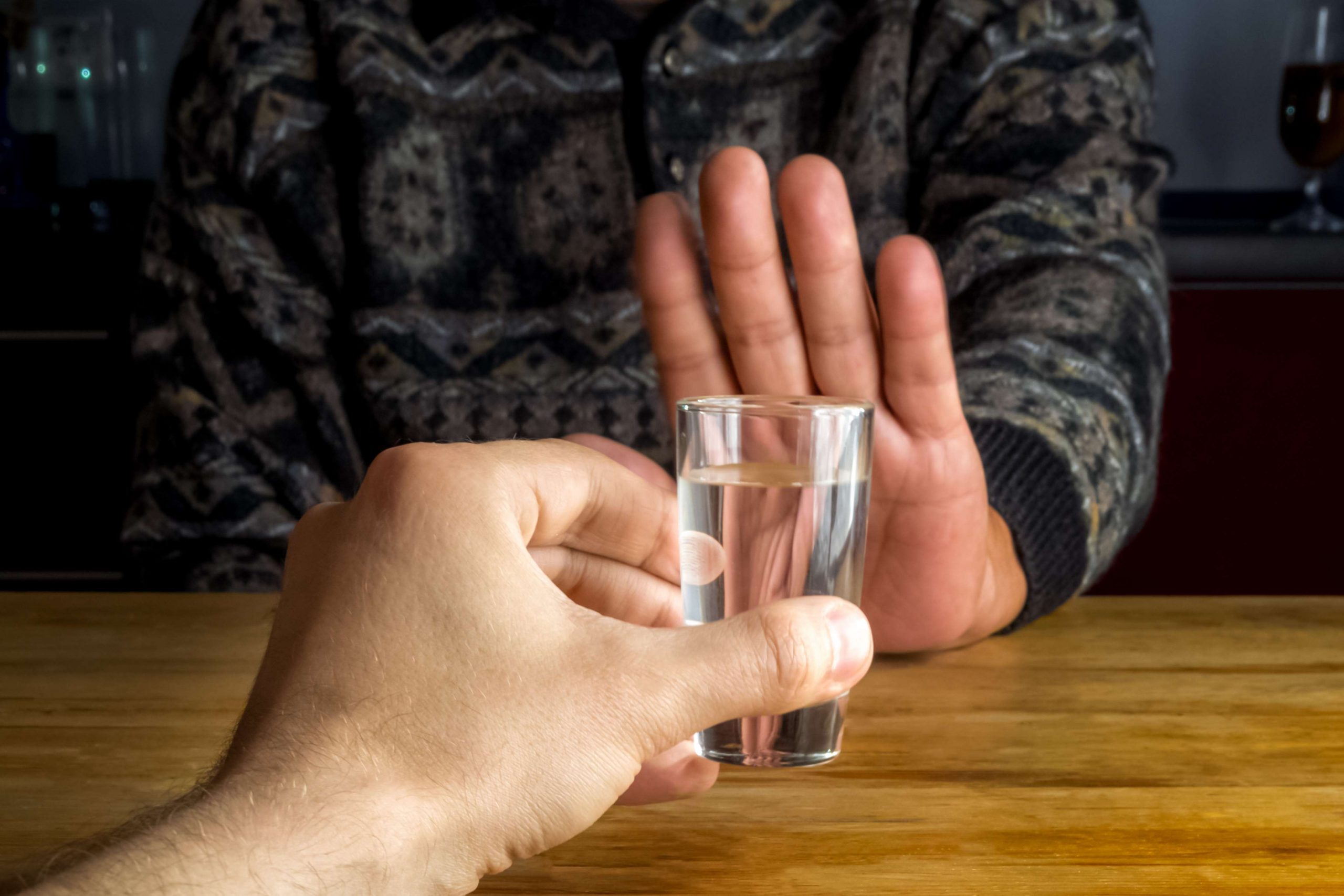
- Treatment for alcohol use disorder may include counseling, social support such as Alcoholics Anonymous (AA), or medicines.
- A diet poor in nutrients or avoiding eating can make nutritional deficiencies worse.
Patience and persistence are key, as both the withdrawal process and nerve regeneration take time—often weeks to months—to show significant improvement. Epidermal nerve fibre density was assessed in two studies, both of which supported decremental nerve fibre density distally in the lower limb, anecdotally supportive of a length-dependent pattern 53, 63. Uniquely, Vittadini and colleagues found a relationship between the type of alcohol consumed and neuropathy. Specifically, the study demonstrated worse NCS study dysfunction amongst wine drinkers, than those who drank beer or spirits alone 6.
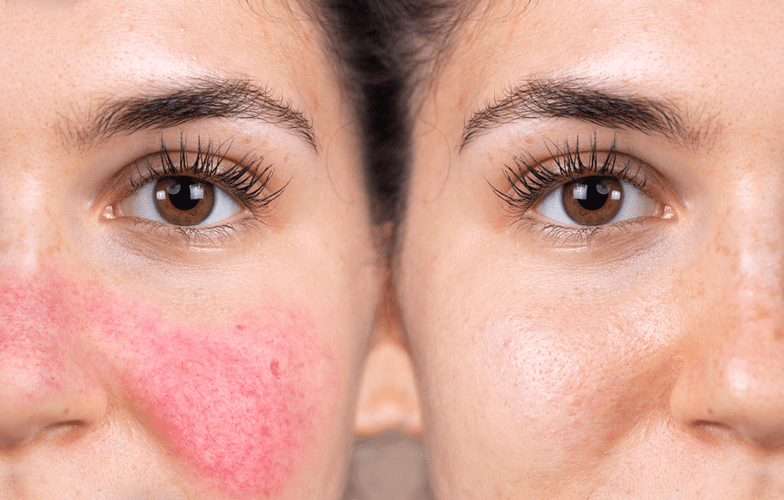
Role of caspases in alcoholic neuropathy
However, studies indicate that consuming more than 100 grams of alcohol per day over many years significantly increases the risk of developing peripheral neuropathy6. It’s important to note that even moderate alcohol consumption over an extended period can contribute to nerve damage in some individuals. A 51-year-old man with a history of chronic alcoholism and colon adenocarcinoma with local intraabdominal metastases presented to the emergency department following several days of blurred vision followed by confusion and somnolence. Review of additional medical history revealed that he had had three prolonged hospitalizations over the past 6 months for ileus and failure to thrive. Examination demonstrated disorientation to time and place, shortened attention span including impaired registration of unrelated words intended for subsequent recall, and amnesia without confabulation. Additionally, he had horizontal and vertical gaze–evoked nystagmus and weakness of right eye abduction and weakness of left eye elevation, as well as a distal symmetric sensory loss and diminished patellar and Achilles reflexes.
Miyoshi et al. found that 5 weeks after ethanol treatment, the mechanical nociceptive threshold was significantly decreased and is further reduced up to 10 weeks 80. As supported by immunostaining, the membrane fraction showed that spinal mGluR5 concentrations in ethanol-treated rats were significantly increased compared with those in the control diet group. These findings support the idea that the increased number of membrane-bound mGluR5 following chronic ethanol consumption may lead to a long lasting activation of neuronal protein kinase C in the dorsal horn of the spinal cord. This phenomenon may be responsible for the induction of the neuropathic pain like behaviour following chronic ethanol consumption.
Lifestyle Adjustments: Adopt a balanced diet, exercise regularly, and avoid alcohol to support nerve health
The link between alcohol and peripheral neuropathy is well-documented, with both acute and chronic alcohol use playing a role in the progression of this debilitating condition. In summary, alcohol’s impact on nerve damage progression is multifaceted and profoundly negative. For individuals with existing nerve damage, reducing or eliminating alcohol consumption is a critical step in managing symptoms and preventing further deterioration. Consulting healthcare professionals for personalized advice and treatment options is essential for those affected by alcohol-related neuropathy. Alcohol consumption is often scrutinized for its potential health impacts, particularly in individuals with pre-existing conditions like neuropathy.
How soon does alcoholism cause neuropathy?
This is due to the rebound effect of neurotransmitters like glutamate, alcohol and neuropathy which surge in the absence of alcohol’s inhibitory effects. Managing this phase requires medical supervision, as medications such as gabapentin or pregabalin can help stabilize nerve activity and reduce pain. Hydration and electrolyte balance are also critical, as alcohol withdrawal often leads to dehydration, which can further aggravate nerve irritation. While peripheral neuropathy generally cannot be cured, there are several medical treatments that can be used to manage the pain of alcoholic neuropathy, aiding in your recovery. Alcoholic neuropathy occurs when too much alcohol damages the peripheral nerves. Deficiencies in B6 and B12, thiamine, folate, niacin, and vitamin E can make it worse.
Recovery following cessation of drinking and repletion of electrolytes is usually rapid and dramatic. Despite repeated episodes, strength typically returns to normal unless a chronic myopathy or other complications are superimposed. Alcohol can result in neuropathy because it has a direct toxic effect on the nerves, causing damage and dysfunction. Alcoholism also often leads to nutritional deficiencies which may impair nerve function.